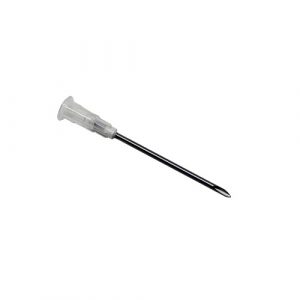
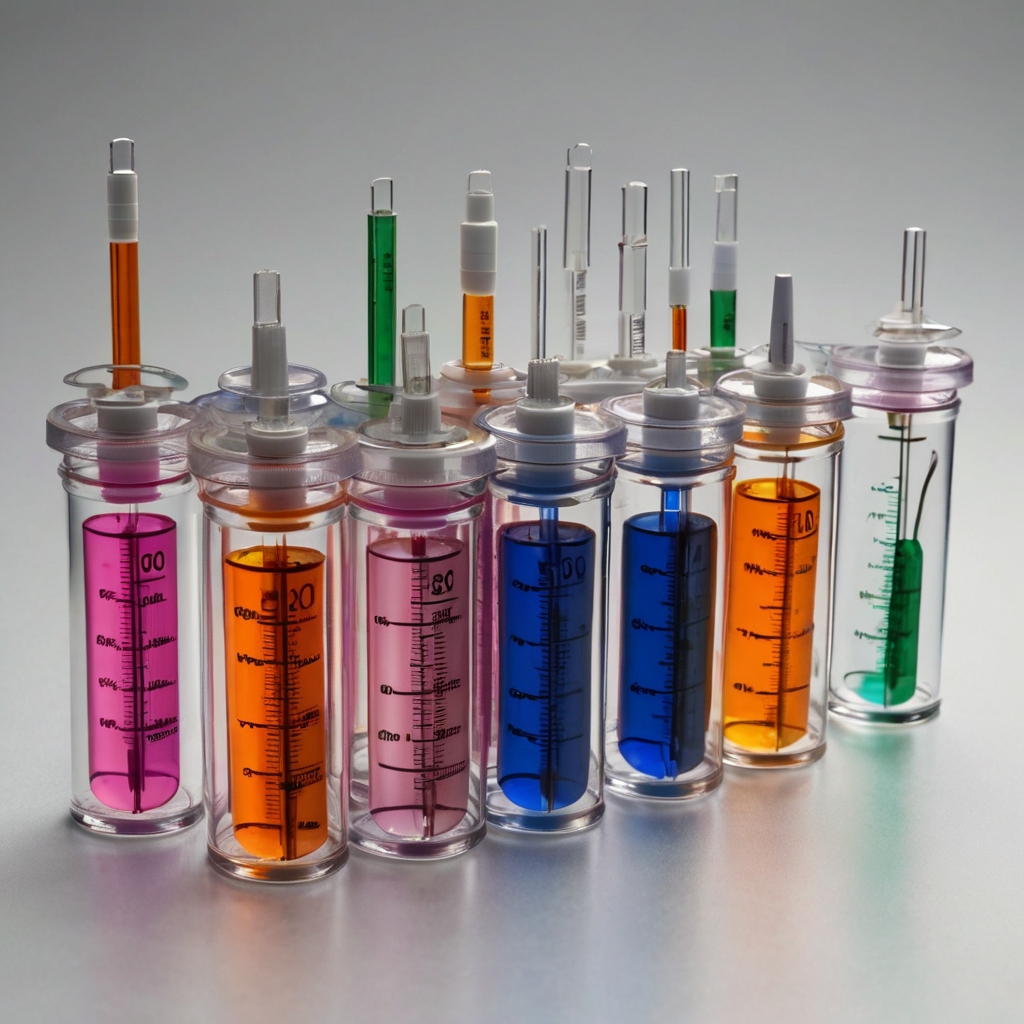
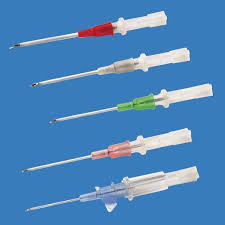
5ml Syringe with 21g x 38mm Needle luer slip (3 Part)
R90.00 Ex VAT
Nitrile gloves Bulk price- 500 boxes
Description
Syringes and needles come in various types and sizes, each designed for specific medical uses. Below is an overview of common types and their applications:
Types of Syringes:
- Luer Lock Syringe
- Use: These syringes have a threaded tip, allowing the needle to be securely twisted and locked in place.
- Application: Frequently used for injections that require a firm attachment, such as administering vaccines or certain medications.
- Slip Tip Syringe
- Use: The needle is pushed onto the syringe tip without threading, allowing for easy removal.
- Application: Often used for simple injections or for drawing fluid, where easy removal of the needle is necessary.
- Catheter Tip Syringe
- Use: These syringes have a longer, tapered tip for attaching to catheters or tubes.
- Application: Commonly used in wound irrigation, tube feeding, or injecting through tubing.
- Insulin Syringe
- Use: Specifically designed for administering insulin.
- Application: Used by diabetics for injecting insulin. The syringes have very fine needles and are usually measured in units.
- Tuberculin Syringe
- Use: Small syringes (1 mL) designed for administering small doses of medication.
- Application: Commonly used for tuberculosis tests (hence the name), or for pediatric dosing and allergy testing.
- Pre-filled Syringe
- Use: Syringes that come pre-loaded with medication.
- Application: Convenient for emergencies or specific treatments like vaccines, where precise doses are pre-set.
Types of Needles:
- Hypodermic Needle
- Use: Used to inject substances into the body or extract fluids.
- Application: Common in general medical practice for injections and drawing blood.
- Intramuscular (IM) Needle
- Use: Longer needles for penetrating deep into muscle tissue.
- Application: Used for vaccines or medications like antibiotics that require deep muscle injection.
- Subcutaneous (SC) Needle
- Use: Shorter needles for injection just below the skin.
- Application: Used for insulin injections, hormone therapy, and other medications requiring slow absorption.
- Intradermal (ID) Needle
- Use: Very short and thin needles designed for injection into the dermis layer of the skin.
- Application: Primarily used for skin tests like tuberculosis screening and allergy testing.
- Blunt Fill Needle
- Use: Needles with a flat, blunt tip, used to draw up medication but not for injecting.
- Application: Used to reduce the risk of needlestick injuries during preparation of medications.
- Butterfly Needle (Winged Infusion Set)
- Use: A small, thin needle with plastic “wings” for easy handling.
- Application: Used for drawing blood or administering fluids when a more delicate touch is needed, often in pediatric or geriatric patients.
- Filter Needle
- Use: Designed with a filter to remove particles from medications drawn from ampules.
- Application: Used to prevent contamination from glass or other particles during preparation of injectable medications.
Common Uses:
- General Medication Administration: Syringes and needles are essential for delivering vaccines, antibiotics, and pain medications.
- Blood Collection: Hypodermic and butterfly needles are commonly used for drawing blood samples.
- Diabetes Management: Insulin syringes are used by diabetics for frequent self-administration of insulin.
- Diagnostic Tests: Intradermal needles are used for skin testing (e.g., TB tests, allergy tests).
- Surgical and Critical Care: Syringes are often used to deliver anesthetics, sedatives, or pain relief medications.
Related products
-
- Needles
Needle 16G x 38mm
- R42.61 Ex VAT
- Add to cart
-
- Needles
tattoo needle disposal
- R17.00 Ex VAT
- Add to cart